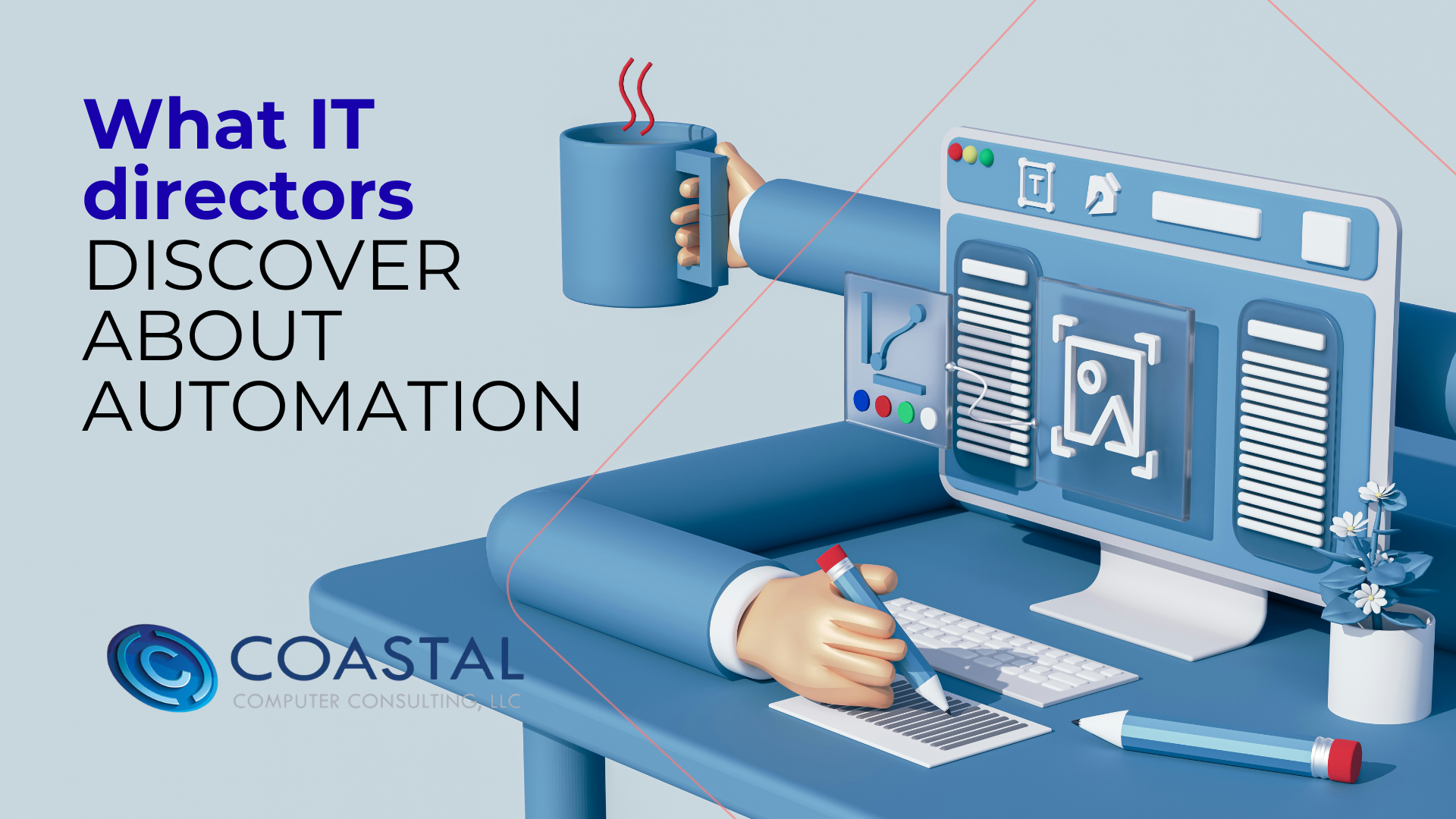
For years, automation in IT largely meant scripts.
You wrote something to remove a repetitive task, save a few minutes or eliminate the risk of human error.
A good script became part of the environment and did its job in the background.
That still happens, of course.
But the scale of what businesses now expect automation to do has changed.
Requests that once involved individual tasks are becoming requests to automate entire processes.
A manager wants a new starter provisioned automatically.
Finance wants data pulled from multiple systems into a single report.
HR wants approval workflows.
Operations wants notifications, integrations and exception handling built into existing processes.
And these requests arrive alongside everything else.
The service desk still needs support, security reviews still need completing, infrastructure still requires attention, and your existing projects continue moving through the pipeline.
Meanwhile, automation opportunities appear almost everywhere.
Building the automation is only part of the work
Building the automation is only one part of the challenge.
Understanding the process can take considerably longer.
Automation projects can spend weeks uncovering undocumented workarounds, conflicting requirements and exceptions that nobody realized existed until somebody tried to automate them.
A process that looked simple on a whiteboard suddenly involves six departments, three applications and a collection of manual steps that have evolved over several years.
The technical work becomes only one part of the exercise.
Somebody has to engage stakeholders, document requirements, test outcomes, manage changes and support the finished solution once people start relying on it.
Those responsibilities typically fall to you.
Automation doesn't eliminate responsibility
There's also a growing expectation that one automated process should lead to another.
Departments start identifying additional opportunities.
When business leaders see productivity gains, they start asking where else similar improvements might be possible.
Before long, automation becomes another ongoing program rather than a one-off project.
Once an automated process becomes business-critical, somebody needs to own it, monitor it, maintain its documentation and know what happens if it fails.
What's next for your IT team?
Automation is only part of what's changing. AI, evolving technology stacks and new governance responsibilities are reshaping internal IT. Our guide, The Next 3 Years of Internal IT: What's Changing and What Isn't, explores what's ahead and how to make room for it.
Get your free guide
Where does the extra capacity come from?
That's where resource constraints become difficult.
When automation initiatives demonstrate value, the business wants more of them.
But you still have responsibility for security, resilience, governance, budgeting and operational delivery.
This is one reason co-managed support is becoming part of the discussion for many internal IT teams.
IT directors need enough operational capacity to keep driving improvements while continuing to support everything the business already depends on.
As automation becomes part of how organizations operate, somebody still needs the time, expertise and bandwidth to make sure those automated processes are secure, reliable and aligned with the wider goals of the business.
Is automation competing with your team's other priorities?
If growing demands are making it difficult to move projects forward while keeping day-to-day operations running, let's talk about where additional support could make a difference.
I'd be happy to spend 15 minutes discussing your team's priorities and where co-managed support might help you create more capacity without giving up control of your IT environment.
Schedule a 15-minute IT capacity conversation with Adam
Prefer to call? 912.634.1691
-1.jpg?width=48&height=48&name=highres_casgar_04%20(1)-1.jpg)